
At a glance
Core training for back recovery works best when you start with targeted trunk stability, build toward loaded strength training, and combine that with close attention to technique and training frequency. At District-S, we see that adults with recurring back pain get faster, more reliable results from a guided plan than from random exercises at home. One thing people often miss: your core is not built through endless ab workouts, but through stability under load.
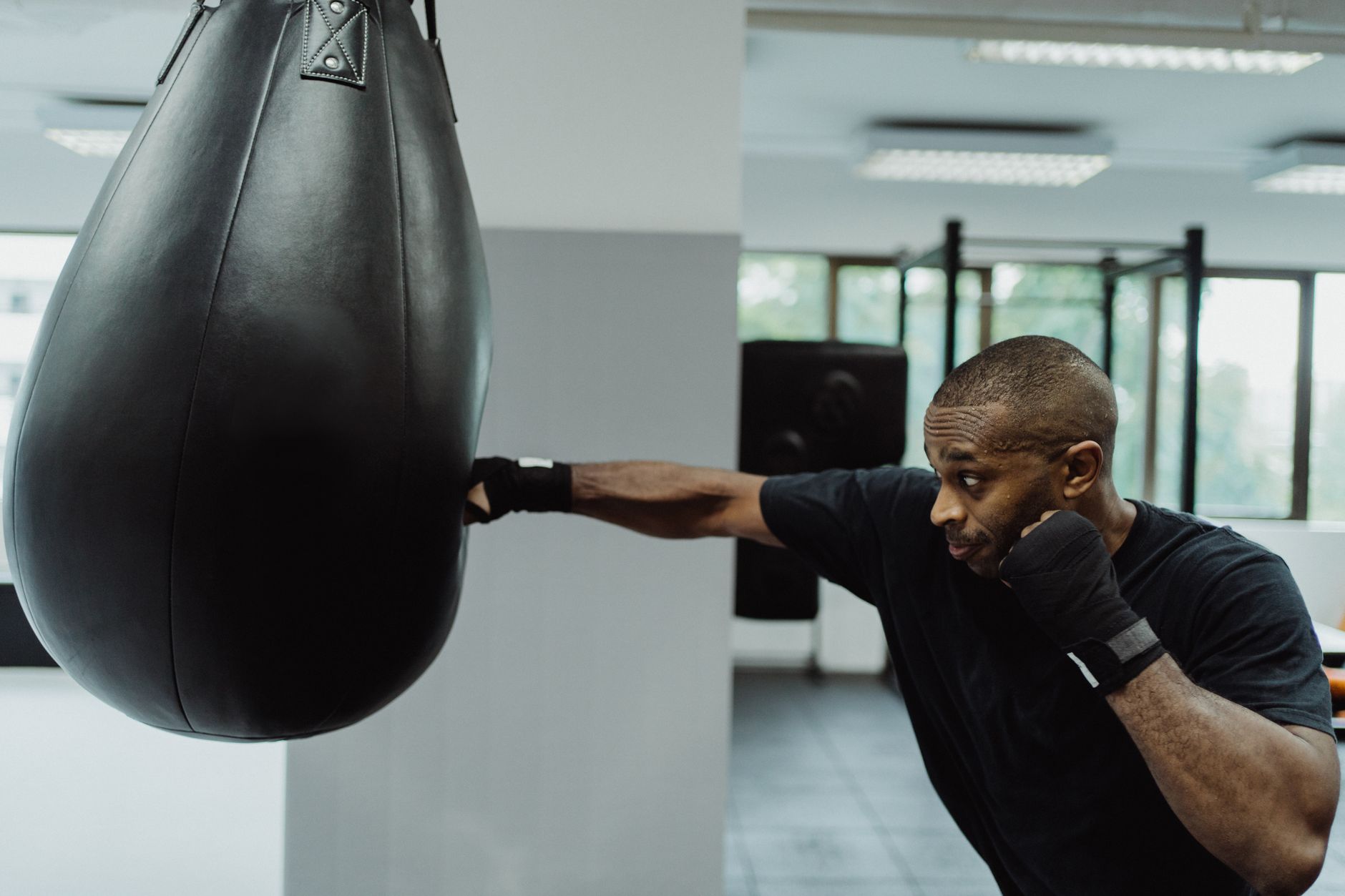
- A meta-analysis in PLOS ONE found that core training can reduce pain and improve back function in the short term
- Core resistance training, meaning loaded trunk training, delivers the most consistent improvement, with a typical guideline of 3 to 4 sessions a week for 30 to 45 minutes
- The Dutch Health Council recommends muscle-strengthening activities at least twice a week
- Start with stability work such as planks and dead bugs, then progress to squats and deadlifts
- If symptoms persist, physiotherapy should come first, then personal training can build on that foundation
Introduction
At District-S, we see the same pattern again and again in adults trying to get moving after back pain: they hold back, do too much, or choose exactly the wrong exercises. It may sound familiar. A few pain-free weeks, one awkward lift, and the pain is back. That is exactly why core training for back recovery needs a calm, structured build-up.
Back pain is far from rare. According to NOS and the RIVM, around two million people in the Netherlands deal with back or neck complaints, with non-radiating lower back pain being the most common issue. For many busy professionals in Eindhoven, that means a daily obstacle at work, in sport, and at home.
The good news is that a stronger core can be trained at any age. But core training during back recovery needs structure and coaching, not a YouTube routine and good intentions. This article breaks down the methods that are actually supported by evidence, the order in which to build them, and the mistakes that tend to slow recovery down.
Why is a strong core so important for back recovery?
Your core is the stable center that protects your spine during every movement, from lifting to twisting. Without that stability, your back muscles end up taking on loads they were never meant to handle, and that is often where recurring pain starts.
The value of targeted trunk training is well supported by research. A meta-analysis in PLOS ONE found that core stability exercises are more effective in the short term than general exercise therapy for reducing pain and improving back-specific function in people with chronic low back pain. Over the longer term, that difference becomes smaller, which tells us something important: keep moving, but start with a focused approach.
There is also clear public health guidance on this. The Dutch physical activity guidelines from the Health Council advise adults to get 150 minutes of moderate activity per week, plus muscle and bone-strengthening exercise at least twice a week. If you have a history of back pain, that is not a bonus, it is the foundation of lasting recovery.
The key point many people miss is this: core stability is not about visible abs. It is about the deep muscles that keep your spine supported when you lift a heavy box or pick up your child.
Which type of core training actually supports back recovery?
Not all core work is equally useful. Recent meta-analyses via NCBI show that Pilates, core stability training, and core resistance training can all help with chronic non-specific low back pain. But core resistance training, in other words loaded core work, appears to deliver the most consistent improvements in functional ability.
That matches what District-S sees in practice: stability first, strength second.
Stability as the foundation
The first phase is all about control without heavy load. Think planks, dead bugs, and bird dogs. These exercises teach your core to brace at the right time without overloading your lower back. If you are just coming out of a pain flare-up, this is usually the safest place to start.
Loaded core training as the next step
Once that base is in place, strength work comes in: squats, deadlifts, and anti-rotation exercises with resistance. According to the meta-analysis mentioned above, effective training frequency is usually around 3 to 4 sessions per week, lasting 30 to 45 minutes each. At District-S, that progression is tailored to the individual, because tolerance to load varies hugely from person to person.
Why technique matters more than volume
A deadlift with poor spinal positioning is not core training, it is an injury risk. In District-S recovery programs, the first few weeks are usually more about posture and control than about adding weight. That is also why targeted rehabilitation training with guidance tends to get better results than trying to figure it out alone.
Guided core training versus working out alone at home: which works better?
Why can one person build back up successfully at home while another keeps relapsing? It is rarely about motivation. More often, it comes down to technique, progression, and the ability to adjust the plan when symptoms flare up.
The table below compares both approaches on the factors that matter most in back recovery.
| Criterion | Training alone at home | Guided core training |
|---|---|---|
| Technique control | No direct feedback | Corrections on every rep |
| Progression speed | Often too fast or too slow | Matched to your current capacity |
| Risk of setback | Usually higher | Lower because of ongoing adjustments |
| Frequency guidance | You estimate it yourself | Usually guided at 3 to 4 sessions per week |
| Time to noticeable results | Varies a lot | Often around 8 to 12 weeks |
Take a business owner in their mid-40s with recurring lower back pain who has been doing planks at home for six weeks and still gets stuck. In practice, the issue is often execution: the core starts to sag, and the strain shifts into the lower back. With one-to-one coaching in a private gym, that mistake can be spotted and corrected in a single session.
That does not mean home exercise is pointless. It works very well as part of your weekly routine, as long as the basics have been taught properly first. If you want to combine home recovery with guided training, this article on recovering at home and still getting back in shape explains how to do it.
Step by step: how to build up core training after back pain
A solid progression follows a clear order. Skip a step, and your risk of a setback goes up.
Step 1: Check your starting point first
If your symptoms are ongoing or radiate into the leg, get a professional assessment first. The Dutch Society for Physiotherapy highlights physiotherapy as the recognised treatment route for back pain, while GPs often advise people with acute lower back pain to stay active. That is why District-S only starts rehabilitation-based training once the acute phase has passed, often in coordination with a physiotherapist.
Step 2: Start with stability, not strength
The first two to four weeks should focus on control. Planks, dead bugs, and bird dogs teach your core to brace without stressing the lower back. Build from short holds to longer ones, and focus above all on keeping a neutral spine.
Step 3: Add light resistance
Once the base is stable, it is time to introduce resistance. Think anti-rotation exercises with a cable or band, plus light kettlebell variations. The goal is still control, now with a bit more demand.
Step 4: Move into compound strength exercises
Squats and deadlifts challenge your core more effectively than almost any traditional ab exercise, provided the technique is right. This fits closely with smart strength training after 40, where load tolerance and recovery come first.
Step 5: Manage frequency and recovery
Aim for roughly 3 to 4 sessions per week, with enough rest between them. More is not better when your back is still rebuilding. At District-S, training frequency is adjusted based on how your body responds, not by blindly following a fixed schedule.
A practical way to structure it:
- Phase 1, weeks 1 to 4: stability exercises, no added load, full focus on posture
- Phase 2, weeks 4 to 8: add light resistance, with anti-rotation as the main theme
- Phase 3, week 8 onward: compound strength exercises with controlled progression
- If pain rises above 3 out of 10 during an exercise, step back to the previous phase
What do the guidelines say about professional guidance?
Professional guidance is not just a nice extra, it is built into Dutch care standards. The revised KNGF guideline for Low Back Pain and Lumbosacral Radicular Syndrome (2021) was developed by a multidisciplinary working group involving more than twenty organisations and dozens of experts, in collaboration with the Dutch National Health Care Institute. That shows how widely accepted the advice is that guided, active exercise therapy should be at the heart of recovery.
For adults, this means something very practical: movement with the right guidance works better than rest or disconnected exercises. A personal trainer with rehabilitation experience can take over where physiotherapy often ends, by rebuilding strength and load capacity for real life and sport.
At District-S, certified and experienced personal trainers work in a calm, private setting, which matters more for back recovery than many people realise. No waiting for equipment, no distractions, just full attention on your technique. That is often the difference between learning the right movement pattern and reinforcing the wrong one.
Common core training mistakes to avoid
The biggest mistakes in core training usually do not come from laziness. They come from impatience and the wrong assumptions. These are the patterns District-S sees most often in new members with a history of back pain.
The first mistake is doing endless crunches. Ab exercises involving repeated spinal flexion can put extra stress on the lower back while doing very little for real-world stability. The second is going too heavy too soon. If you jump back into heavy deadlifts after two pain-free weeks, you are asking for a setback.
A third mistake is skipping recovery. Your core gets stronger during rest, not during the session itself. If you want to understand that process better, this article on speeding up muscle recovery outside your workouts explains it well.
What to do instead:
- Replace classic crunches with planks, dead bugs, and anti-rotation exercises
- Only increase the weight once you have handled the previous load pain-free for three sessions
- Leave at least one rest day between two heavy core-focused workouts
- Keep a short training log for each session: exercise, load, and how your back responded
Professional tips for long-term back recovery
Recovery is not a six-week project. It is a new way of moving. A few practical principles make a big difference.
Train your core for function, not for appearance. Exercises that resist twisting and bending, such as anti-rotation and anti-flexion work, protect your back far better than mirror-driven ab training. It also helps to integrate core work into a full strength program, because a stronger lower back without stronger legs and hips is still vulnerable.
Pay attention to your daily load outside the gym as well. Long hours of sitting and poor lifting habits can do more damage than one missed workout. And do not underestimate the mental side of recovery: fear of movement can hold people back for months. A good coach does not just build strength, but also restores confidence in your body.
Frequently asked questions
What is core training for back recovery?
Core training for back recovery means strengthening the muscles around the trunk that stabilise your spine, starting with control and progressing toward loaded strength work. The goal is not visible abs, but a back that can handle daily life and sport without flaring up again. Most people begin with exercises such as the plank and dead bug before moving on to heavier strength training.
How often should I train to build a stronger core after back pain?
Training frequency has a big impact on results. Meta-analyses usually point to 3 to 4 sessions per week of 30 to 45 minutes as an effective range for chronic low back pain. Just as important is allowing enough recovery time, because your core gets stronger when you rest. If your back is still recovering, doing a little less consistently is better than doing too much too soon.
Is core training safe if I still get back pain sometimes?
Safety depends on the stage of your symptoms. If you have acute pain or pain that radiates, start with an assessment by a physiotherapist, which the Dutch Society for Physiotherapy recognises as the appropriate route. Once the acute phase has passed, guided and progressive core training is usually recommended, with the rule that if pain goes above 3 out of 10, you step back.
Does personal training work better than exercising at home for back recovery?
Coaching mainly makes the difference in technique and progression. Home exercise can work very well as part of your routine, but without feedback, it is easy for mistakes to creep in and overload the lower back. With one-to-one guidance, poor positioning can often be identified and corrected in a single session, which usually lowers the risk of setbacks.
How does District-S help with core training and back recovery?
District-S offers rehabilitation-focused training with certified personal trainers in luxury private gyms in Eindhoven, at Strijp-S and in the city centre. The approach combines one-to-one coaching, a tailored progression from stability to strength, and attention to nutrition and recovery. Through a free trial session, you can get to know the approach without obligation and find out where your starting point is.
Conclusion
Core training for back recovery does work, but only when it follows the right order: stability first, then loaded strength, always with attention to technique and recovery. The research is clear that targeted core training can reduce pain and improve function, and the Dutch physical activity guidelines confirm that strength work twice a week is a basic requirement. The biggest gains do not come from training harder, but from progressing more intelligently.
For adults with a history of back pain, guidance is often the difference between long-term recovery and recurring setbacks. That is exactly why core training for back recovery benefits from coaching: start with an honest look at your current level, build in phases, and keep your frequency around 3 to 4 sessions per week.
If you want to work on a stronger, more resilient back in Eindhoven with expert support, District-S can help with a personalised training plan and a free trial session to assess where you are now. Whether you train at Strijp-S or in the city centre, the approach stays the same: safe progress, measurable results.
Would you like to learn how we can assist you with personal training?
Sources
- NOS en het RIVM — Nos
- meta-analyse in PLOS ONE — Journals
- Nederlandse beweegrichtlijnen van de Gezondheidsraad — Vzinfo
- meta-analyses via NCBI — Ncbi
- herziene KNGF-richtlijn Lage rugpijn en lumbosacraal radiculair syndroom (2021) — Pure
- Twee miljoen mensen hebben last van hun rug of nek — NOS / RIVM
- Bewegen | Verantwoording | Definities — Volksgezondheidenzorg.info (RIVM)
- KNGF-richtlijn Lage rugpijn en lumbosacraal radiculair syndroom herzien — Amsterdam UMC / KNGF