
When choosing a gym in Eindhoven, coaching matters more than location. A gym just around the corner can lower the barrier to getting started, but it does not determine whether you will still be training in three months, getting stronger or losing body fat. That comes down to the coaching you receive: a regular appointment with a personal trainer, a programme that adapts to you and progress check ins that show whether it is working. Treat location as a filter. Is it on your route between home and work? Then let the quality of the coaching make the final decision.
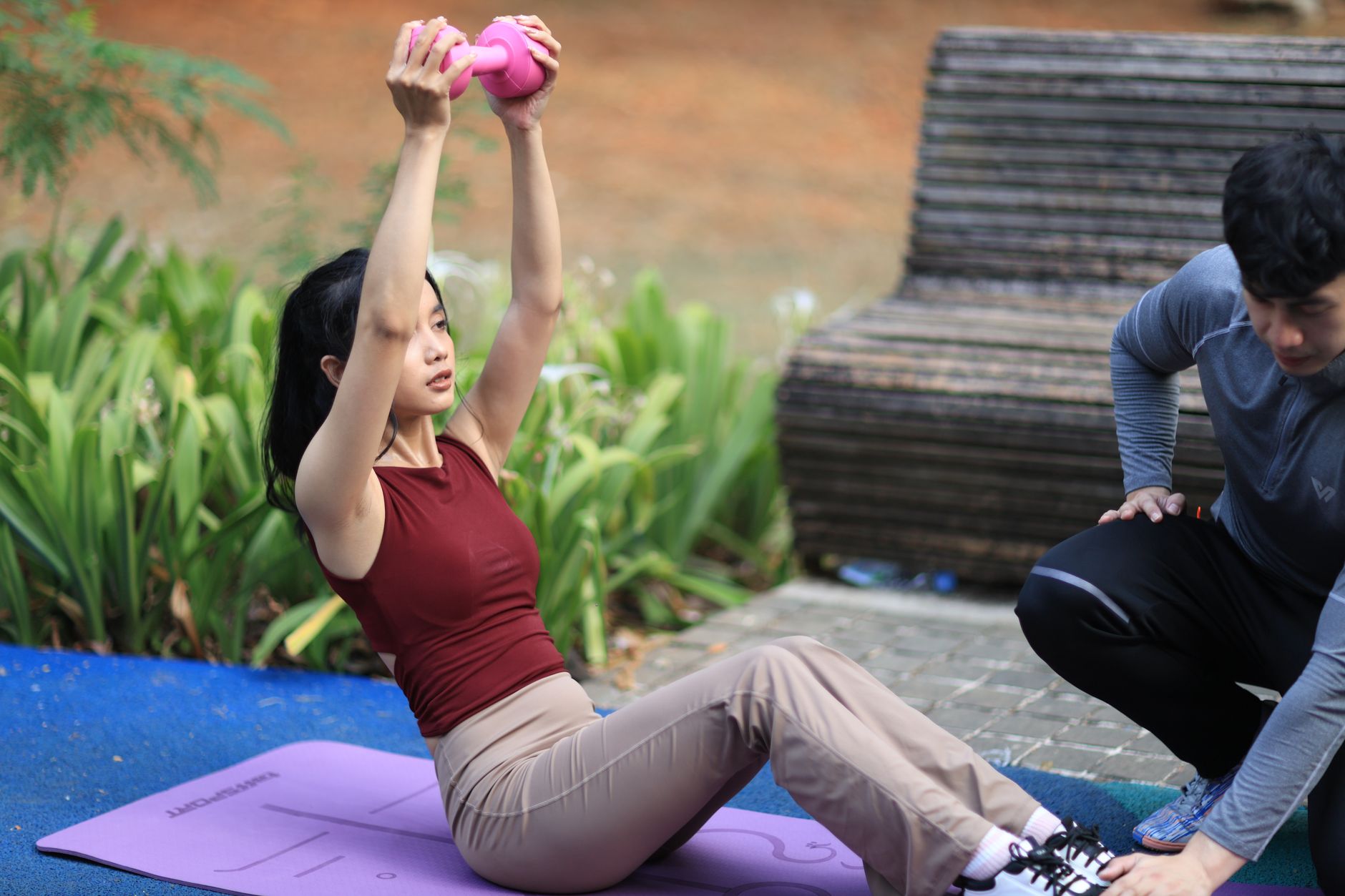
Why Do People Still Quit a Gym Close to Home?
It is a familiar pattern. You sign up for the gym nearest to you and go consistently for the first few weeks. Then a meeting runs late, a deadline lands on your desk or a school event comes up, and your workout gets pushed back a day. A few months later, you are mostly paying for a membership you no longer use.
Distance is rarely the real issue. Convenience only helps once you have already decided to go. Without a scheduled session, every workout becomes a fresh decision, usually made at the end of a long working day. At that point, the sofa often beats the barbell, whether the gym is five or fifteen minutes away.
The figures support this. Staying consistent is the real challenge for most people. The Dutch Health Council’s physical activity guidelines recommend that adults get at least 150 minutes of moderate exercise each week, alongside muscle and bone strengthening activities at least twice a week (RIVM). In 2023, just 44 percent of Dutch adults aged 18 and over met those guidelines, according to RIVM research. For busy professionals and business owners, those two weekly strength sessions are often the first thing to disappear from the diary.
What Goes Wrong When Location Is the Deciding Factor?
When you choose based on distance alone, you are essentially choosing a room full of equipment. What happens once you are in that room is left to chance. In practice, that creates four recurring problems:
- No plan. You do the exercises you know, in the same order and with the same weights. Progress usually stalls within a few weeks or months.
- No one tracks progress. The scales become your only measure. You cannot tell whether you are losing body fat or muscle mass, even though that is the difference between looking leaner and simply weighing less.
- No accountability. Skipping a session has no consequences. Nobody notices, and nobody adjusts your programme.
- No form correction. A small mistake in a squat or deadlift can go unnoticed for months, until your back or knee starts complaining. This is a genuine risk, especially after forty or if you are managing an old injury.
Put that into hours. Say you train twice a week for an hour over six months, without a plan or progress tracking. That is more than fifty hours invested, not including travel time, with no certainty of results. For someone who plans their calendar in fifteen minute blocks, that is not insignificant. A nearby gym might save you a few minutes each visit, but poor coaching can reduce the return on that time to zero.
Do Large Gym Chains Offer Coaching, and Is It Enough?
Usually, they offer some support, but it is rarely enough. Large gyms typically provide an introductory session when you join, an app based programme, group classes and the option to buy individual personal training sessions. On paper, that sounds like coaching. In reality, each option has its limitations.
The introductory session happens once. You receive a programme, but no one updates it when you make progress or get stuck. An app does not know that your shoulder has been bothering you since last week or that you slept badly after a business trip. In a group class, one trainer is watching an entire room, so individual form correction is limited. One off personal training sessions only help if there is continuity. Booking an hour every few weeks mainly gives you disconnected advice.
There is another factor to consider. The title personal trainer is not legally protected in the Netherlands (Start2Move), so there is no mandatory qualification requirement. At the same time, the market is growing quickly. At the start of 2026, figures from the Dutch Chamber of Commerce showed that more than 8,400 personal trainers and fitness instructors were registered, compared with around 2,000 in 2015, according to Sport-People. The fact that a gym offers coaching tells you very little about its quality.
Small group training can offer a middle ground, provided the group genuinely stays small and the trainer knows every participant. Find out when this approach works, and when it does not, in this article on boxing and weight loss through small group training.
Choosing a Gym in Eindhoven: Coaching First, Location Second
This is the point most gym comparisons miss: the weaker the coaching, the more important location becomes. Without an appointment, every additional minute of travel gives you another reason to stay home. With a scheduled session and a trainer expecting you, an extra ten minute drive is rarely why you quit. The coaching removes the decision of whether to go.
That is why the order should be reversed. First, decide what travel time is realistic for you and rule out anything beyond it. Then choose the best coaching within that area. Whether you work on Strijp-S or in Eindhoven city centre, the real question is not which gym is closest, but where someone will actively monitor your progress.
Strong coaching addresses each of the four issues above:
| Challenge | Location first | Coaching first |
|---|---|---|
| No plan | A fixed app programme that stays the same for months | A programme adjusted each week or training block based on your progress |
| No progress tracking | Only your scales at home | An initial assessment plus scheduled strength and body composition check ins |
| No accountability | Missed sessions go unnoticed | A fixed appointment, where cancelling means letting someone down |
| No form correction | Watching yourself in the mirror | A trainer who sees every repetition and corrects you when needed |
For business owners, there is another benefit. A workout with a fixed start and finish time fits into your calendar like a client meeting. You schedule it once and do not have to reconsider it every week. That saves decision making, which is exactly what a demanding workweek drains.
Coaching should not stop when the session ends. Strength training usually delivers visible results only when nutrition, sleep and recovery support it. A trainer who only sees you for an hour on the gym floor is missing a large part of the picture.
How Can You Compare Two Gyms Without Letting the Journey Decide?
You have two accessible options, both advertising personal training. How do you choose? These steps make the differences clear.
- Set a travel time limit. Decide in advance how much extra travel time from your usual route you will accept. For many people, that is around fifteen minutes. Rule out everything beyond that, and treat everything within it as equally convenient.
- Ask about qualifications and accreditation. Since the title is not protected, ask follow up questions. Training with NL Actief recognition or registration with EREPS, the European register confirming that a qualification meets international fitness education standards (Start2Move), provides a useful benchmark. Facilities can also hold the NL Actief Keurmerk, assessed by an independent inspection body.
- Book a trial session and look for an initial assessment. A good trial session is not simply a free workout. It should assess your starting point and goals. See what a first appointment should include in this guide to the initial assessment during a trial session.
- Ask how and how often progress is measured. A specific answer, such as strength and body composition reviews every six to eight weeks, says more than vague promises about results.
- Check the schedule. Can you secure a regular slot, including early mornings? What happens if you travel for a week? If you are unsure whether training at home would suit you better, this comparison of home workouts and a private gym alongside a demanding job can help.
- Calculate the cost per result, not per month. A monthly fee tells you very little. Divide the cost by the number of coached sessions, then consider what you receive in terms of programming, progress tracking and nutrition guidance.
After these six steps, one provider will usually stand out. If two remain, your connection with the trainer after the trial session is a perfectly valid final criterion. You will be seeing that person several times a week.
Frequently Asked Questions
How much does a gym membership cost?
The price varies widely depending on the format. A standard membership without regular coaching generally costs a few dozen euros per month, while a personal training session often costs between €50 and €100, depending on the trainer’s experience and the setting. Compare the cost per coached session rather than the monthly fee.
Do large gym chains provide coaching?
Basic support is often available, such as an introductory session or an app based programme, and you can usually purchase personal training sessions separately. Ongoing one to one coaching with progress check ins is rarely included as standard. Ask exactly what is included after the first session.
How far can a gym be from home or work?
The right travel time is personal, but a fixed training appointment makes a slightly longer journey much more manageable. Choose a location on your daily route, such as between your office and home, so your training does not require a separate trip.
How many times a week should you train to see results?
Two strength sessions a week align with the physical activity guidelines and are a realistic rhythm for most busy professionals. Add daily movement, such as cycling or walking to meetings. A third session can bring extra benefits, but only if your sleep and recovery are in good shape.
Is a private gym only worthwhile for experienced gym goers?
Beginners often benefit the most from a calm, private setting because they can learn good technique from day one without feeling watched. It is also valuable if you are returning after an injury or have not trained for years. More experienced gym goers often use it to break through a plateau.
Choose the Trainer First, Then Choose the Route
Set a clear travel time limit, then let the coaching decide within that area: a tailored plan, progress tracking, a regular appointment and a trainer with demonstrable qualifications. When choosing a gym in Eindhoven, those factors determine your results, not simply the shortest route.
District-S offers premium personal training with one to one coaching in private gyms on Strijp-S and in the city centre, combined with personalised nutrition plans and mindset coaching. Not sure which location and training rhythm suit your workweek? Book a free trial session with District-S and discover where you stand with an initial assessment.
Sources
- minstens twee keer per week spier- en botversterkende activiteiten te doen — Rivm
- onderzoek van het RIVM — Ruimtevoorbewegen
- in Nederland niet wettelijk beschermd — Start2move
- cijfers van de Kamer van Koophandel — Sport-people
- NL Actief Keurmerk — Nlactief
- Is personal trainer een beschermd beroep? — Start2Move
- Wat is het verschil tussen NL Actief en EREPS? — Start2Move
- In 2022 voldeden minder Nederlanders aan Beweegrichtlijnen — RIVM