
Quick Summary
Sleep and stress management play a major role in whether your training actually delivers results. If you sleep less than six hours a night or deal with ongoing stress, you’re likely sabotaging your own progress—no matter how solid your nutrition plan or workout structure may be. According to the NOC*NSF knowledge platform Allesoversport.nl, athletes perform an average of 0,4 percent worse for every hour they stay awake after acute sleep loss. Small deficits add up fast.
- Less than six hours of sleep per night is generally not enough for muscle recovery and sustained performance
- Sleep deprivation lowers growth hormone production and raises cortisol, which increases muscle breakdown
- Chronic stress can delay muscle recovery after training by several hours to even days
- Pre- and post-workout nutrition becomes less effective when cortisol stays chronically elevated
- Stress management and good sleep hygiene are trainable, controllable variables—not random bad luck
Introduction
You train twice a week, eat with intention, and stick to your plan. But after a few weeks, progress starts to stall. The weights stop moving up, recovery takes longer than expected, and your energy during workouts feels flat. What most people miss at that point is that the issue often isn’t the training itself.
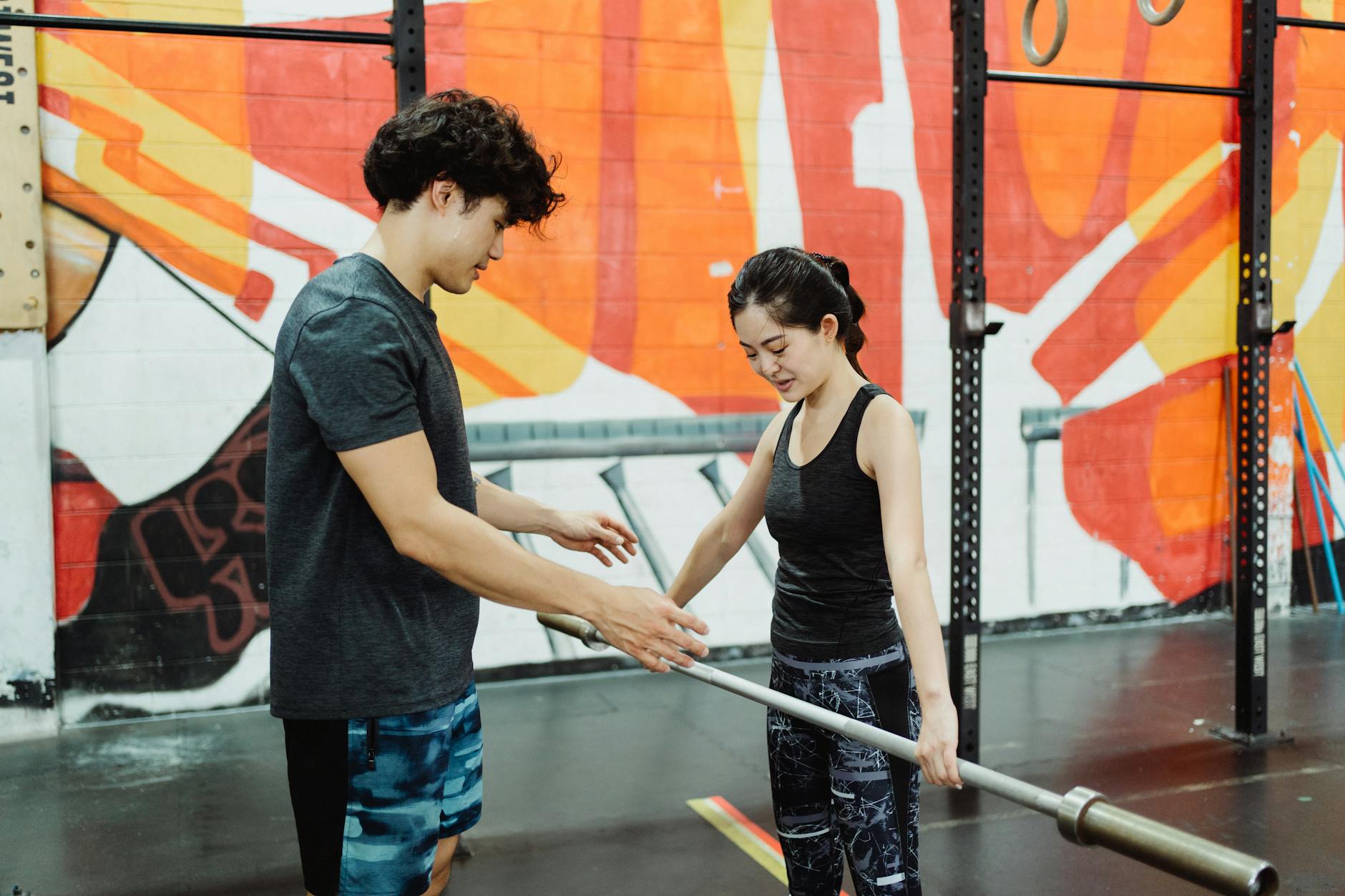
Stress and sleep are two of the biggest performance factors busy professionals routinely overlook, even though they heavily influence what you get out of every session. A product manager at a mid-sized tech company working under pressure five days a week and sleeping six hours a night is, physiologically speaking, training with the brakes on. The workout happens—but the adaptation lags behind.
District-S sees this pattern all the time during first-time consultations: the training plan looks fine, but the bigger picture—sleep, stress, and nutrition—is out of sync. This article explains why those factors matter so much, what’s happening behind the scenes in your body, and how to address them in a practical, results-driven way. If you want to understand what smart coaching looks like after a period of overload, you can find more context in this article on recovering from a sports injury in Eindhoven.
What Sleep Deprivation Really Does to Your Muscles
Sleep isn’t passive downtime—it’s your body’s active recovery system. During deep sleep, growth hormone release peaks, muscle fibers are repaired, and energy stores are replenished. Cut that process short, and the price often shows up weeks later as stalled progress in the gym.

Your Hormonal Balance Shifts in the Wrong Direction
During sleep, cortisol drops to its lowest point of the day, while growth hormone and testosterone rise. According to Allesoversport.nl, fewer than six hours of sleep per night is generally not enough to maintain most sports performance. That’s not about discipline—it’s biology. Short sleep keeps the body in a more catabolic state for longer, meaning muscle tissue is more likely to be broken down than built up.
Protein Synthesis Drops Almost Immediately
The connection between sleep and nutrition is more direct than many athletes realize. According to Psychfysio Opleidingen, even eight hours of sleep loss can impair muscle injury recovery through a direct reduction in protein synthesis. So even if you’re intentionally eating enough protein based on the advice of the Voedingscentrum—roughly 20 grams per eating moment spread across the day—you still lose part of that advantage when sleep is consistently too short. The amino acids are there, but your body uses them less efficiently.
Injury Risk Goes Up
Sleeping less than six hours increases your risk of sports injury the next day. That alone is a strong reason to treat sleep as a training variable, not a comfort issue. If you want to train injury-free as a busy professional, sleep deserves the same attention as your warm-up and lifting technique.
What you can do today:
- Track your sleep duration for seven days using an app or a notebook, then compare it to how recovered you feel after training
- If you’re consistently sleeping under seven hours, prioritize sleep over adding an extra workout that week
- If you’re getting six hours or less, avoid heavy compound lifts that day such as squats, deadlifts, and bench press
- Check whether your bedroom is dark and cool (generally around 18 degrees): light and heat are two of the most avoidable sleep disruptors
How Chronic Stress Wrecks Your Training Results
Chronic stress is the silent enemy of anyone training hard and progressing slowly. This isn’t about healthy nerves before a presentation or a demanding workday. It’s about ongoing pressure that keeps cortisol elevated for too long. At that point, training stops acting like a stimulus for growth and starts becoming one more burden on an already overloaded system.
Cortisol Breaks Down What Training Is Trying to Build
According to the Trimbos Institute, exercise can help dampen the stress response by lowering the stress hormone cortisol. But that only works when training load matches your ability to recover. Research cited by FIT.nl shows that athletes experiencing more stress build less strength in the bench press and squat after twelve weeks. Same training, worse result. The difference was stress load.
Cortisol and Fat Storage Are Closely Linked
Chronically elevated cortisol promotes fat storage, especially around the midsection. That’s not just a theory—it’s a measurable physiological effect. Cortisol raises blood sugar availability, and under persistent stress that can lead to insulin swings and, over time, more fat storage. So if you’re training to improve body composition, high cortisol is working directly against your goal—even if your calories are technically on point.
Training Can Either Reduce Stress or Add to It
Here’s the paradox District-S often discusses with members who are edging toward overtraining: intense exercise while cortisol is already high can push it even higher. According to Allesoversport.nl, training too often and too intensely increases stress hormones such as adrenaline and cortisol. The answer isn’t to stop training altogether—it’s to match the intensity to your actual recovery capacity.
What you can do today:
- If you have three or more of these signs, shorten the session or choose active recovery: chronic fatigue, irritability, sleep issues, stalled strength, lingering soreness
- During high-stress weeks, lower intensity instead of skipping training altogether: use compound lifts at lower intensity (generally 60 to 70 percent of your maximum)
- Add a fixed relaxation routine after demanding workdays: five minutes of deep breathing can measurably reduce the cortisol spike
- Discuss stress patterns with your personal trainer during your intake—not just your training history
Nutrition Only Works Properly When Sleep and Stress Are Under Control
Nutrition is the fuel, but sleep and stress levels determine whether the engine can actually use that fuel. That connection is often missing from standard nutrition advice, but in one-to-one coaching it can’t be ignored.
Protein Intake Needs Context
The Health Council of the Netherlands sets recommended protein intake for healthy adults at 0,83 grams per kilogram of body weight per day, with a potentially beneficial effect on muscle strength up to 1,0 gram per kilogram per day when combined with strength training. But that relationship only holds if your hormonal environment supports it. Sleep deprivation reduces insulin sensitivity, which makes it harder to move nutrients into muscle tissue. In other words: eating more protein won’t fix a sleep or stress problem.
Cortisol Influences Food Choices Too
Stress also affects eating behavior directly. Chronically elevated cortisol tends to increase cravings for carb-heavy, calorie-dense foods. That makes it much harder to stay consistent with a nutrition plan. If that sounds familiar, this article on sticking to healthy eating with a busy job offers practical support.
Meal Timing Becomes Less Effective Under Stress
Nutrient timing around workouts—a classic focus in strength training—becomes less effective when your autonomic nervous system is stuck in a chronic sympathetic state. Digestion, nutrient absorption, and glycogen replenishment all slow down under stress. A post-workout meal with 20 grams of protein still matters, but its payoff is lower when your body is still in fight-or-flight mode.
What you can do today:
- Compare your eating habits in calm weeks versus stressful weeks: do cravings for quick carbs go up significantly? That’s often a sign of cortisol pressure
- Keep protein-rich breakfasts in place during busy periods: morning protein can help blunt the rise in cortisol throughout the day
- Build in at least ten minutes of downtime after an intense workday before you train: this helps lower heart rate and cortisol before your session starts
- Always review your nutrition plan and stress levels together with your trainer, never in isolation
The Difference: Training With or Without Stress Management
The table below shows the kind of difference it typically makes when sleep and stress are treated as training variables rather than afterthoughts.
| Factor | Without attention to sleep/stress | With stress management integrated |
|---|---|---|
| Muscle recovery after training | Generally 48 to 96 hours | Generally 24 to 48 hours |
| Strength gains after 12 weeks | Limited or stalled | Measurable, generally 10 to 20% progress |
| Fat loss in a calorie deficit | Slower due to high cortisol | More effective due to lower cortisol load |
| Injury risk | Higher when sleep is under 6 hours | Lower through recovery monitoring |
| Training consistency | Unstable, more missed sessions during busy periods | More stable through adjusted intensity |
| Protein utilization | Reduced due to insulin resistance | More optimal with 7 to 9 hours of sleep |
How District-S Applies This in Practice
What sets District-S apart is that sleep and stress patterns are built into the intake process, not treated as an afterthought. With every new client, the team looks beyond goals and physical starting points to assess work rhythm, average sleep, and recovery capacity outside the gym.

Mental Coaching Is Part of the Process
District-S combines one-to-one personal training with mental coaching because busy professionals in Eindhoven often don’t recognize stress as a training barrier until results start slipping. Trainers are there for more than sets and reps. When a client reports poor sleep or a heavy period at work, the program is adjusted immediately in both intensity and focus.
Personalized Nutrition Plans That Match Real Life
The nutrition plans at District-S are built around work rhythms and stress load. In weeks with lots of travel or high job pressure, the plan looks different from a calmer week—especially in protein distribution and calorie density around training. That’s not lowering the bar; it’s a biologically sound adjustment that protects long-term progress.
A Private Gym That Supports Recovery
The private gym setting matters from a stress perspective too. Training in a crowded commercial gym with queues, noise, and social pressure adds even more stimulation to an already overloaded day. The private gyms of District-S in Eindhoven, including Strijp-S and Centrum, offer an environment that is more likely to calm the nervous system than tax it. That’s not a luxury extra—it’s a direct contribution to recovery.
What you can do today:
- During a personal training intake, ask directly whether stress management and sleep coaching are part of the approach; if they’re not, a key piece is missing
- Don’t judge your training results session by session—look at four-week blocks instead; the monthly trend tells you more than yesterday’s numbers
- Keep a simple recovery log: hours slept, stress score (1 to 10), and energy level before training. After six weeks, patterns become obvious
- Consider a free trial session at District-S personal training to experience how this integrated approach works in real life
Frequently Asked Questions
How much sleep do I need for optimal muscle recovery?
Seven to nine hours of sleep per night is the practical baseline for most adult athletes to recover well and support optimal growth hormone production. Sleeping less than six hours typically increases injury risk and directly slows protein synthesis. If you consistently sleep too little, you’ll get less from your training plan—no matter how well that plan is designed.
What’s the connection between cortisol and fat loss?
Cortisol is the body’s main stress hormone, and when it stays elevated for too long, it promotes fat storage—especially around the abdomen. It also disrupts blood sugar regulation and contributes to insulin resistance, which can make fat loss harder even in a calorie deficit. If body composition is your goal, stress management needs to be part of the plan—not just calorie tracking.
How do I know if stress is sabotaging my training?
Common signs of chronic stress affecting training include stalled strength after several weeks, soreness lasting longer than 72 hours, constant fatigue before your session even starts, and a higher resting heart rate than usual. If two or more of these signs show up weekly, it’s time to adjust training intensity or volume. An experienced personal trainer will usually spot this pattern faster than you can on your own.
How does District-S integrate sleep and stress management into coaching?
District-S includes sleep and stress patterns in the intake process as full training variables, not side notes. Trainers adjust programming based on your current recovery status, use mental coaching as part of the journey, and build nutrition plans that account for changing stress levels. For clients in Eindhoven, that means coaching that goes well beyond sets and reps.
Does nutrition affect how my body handles stress?
Your eating pattern directly affects cortisol regulation. A protein-rich breakfast can help reduce the morning cortisol spike, while consistently undereating can intensify the body’s stress response. The Health Council of the Netherlands recommends protein intake for active adults that, when combined with strength training, may also support muscle strength. When nutrition, sleep, and stress management are addressed together, training has the best chance to work as intended.
Conclusion
Training provides the stimulus. Sleep and stress management determine whether your body can actually adapt to it. Miss that distinction, and you end up training harder while progressing less. For busy professionals, the most common mistake isn’t undertraining—it’s under-recovering.
The good news is that sleep and stress management are adjustable variables, not fixed traits. Small changes in sleep hygiene, training intensity, and meal timing can noticeably improve results without changing the training plan itself. If you want to approach that in a structured way, it helps to work with a coach who looks beyond the workout alone.
District-S offers coaching in Eindhoven that takes these factors into account from the start, not only after problems show up. A free trial session is the easiest way to experience what that approach looks like in practice. You can find more information at www.district-s.nl.
Would you like to learn how we can assist you with personal training?
Sources
- NOC*NSF kennisplatform Allesoversport.nl — Allesoversport
- Psychfysio Opleidingen — Psychfysio
- Voedingscentrum
- Trimbos-instituut — Trimbos
- FIT.nl — Fit
- Gezondheidsraad
- Eén nacht met weinig slaap kan al leiden tot slechtere sportprestaties — Allesoversport.nl (NOC*NSF kennisplatform)
- Fysiotherapeutisch relevante relatie tussen slaap en sportief bewegen — Psychfysio Opleidingen