
Losing weight with a personal trainer is usually faster in one specific situation: you know what you should be doing, but a busy schedule keeps getting in the way. A trainer will not make you burn more fat each week. They can, however, prevent you from losing weeks to skipped sessions, overly easy workouts and food intake that gradually creeps up.
If nutrition is the real issue and you do not want to change it, even the best trainer will not make the scale move faster. Your rate of weight loss comes down to your calorie deficit. Coaching mainly determines whether you can maintain that deficit week after week.
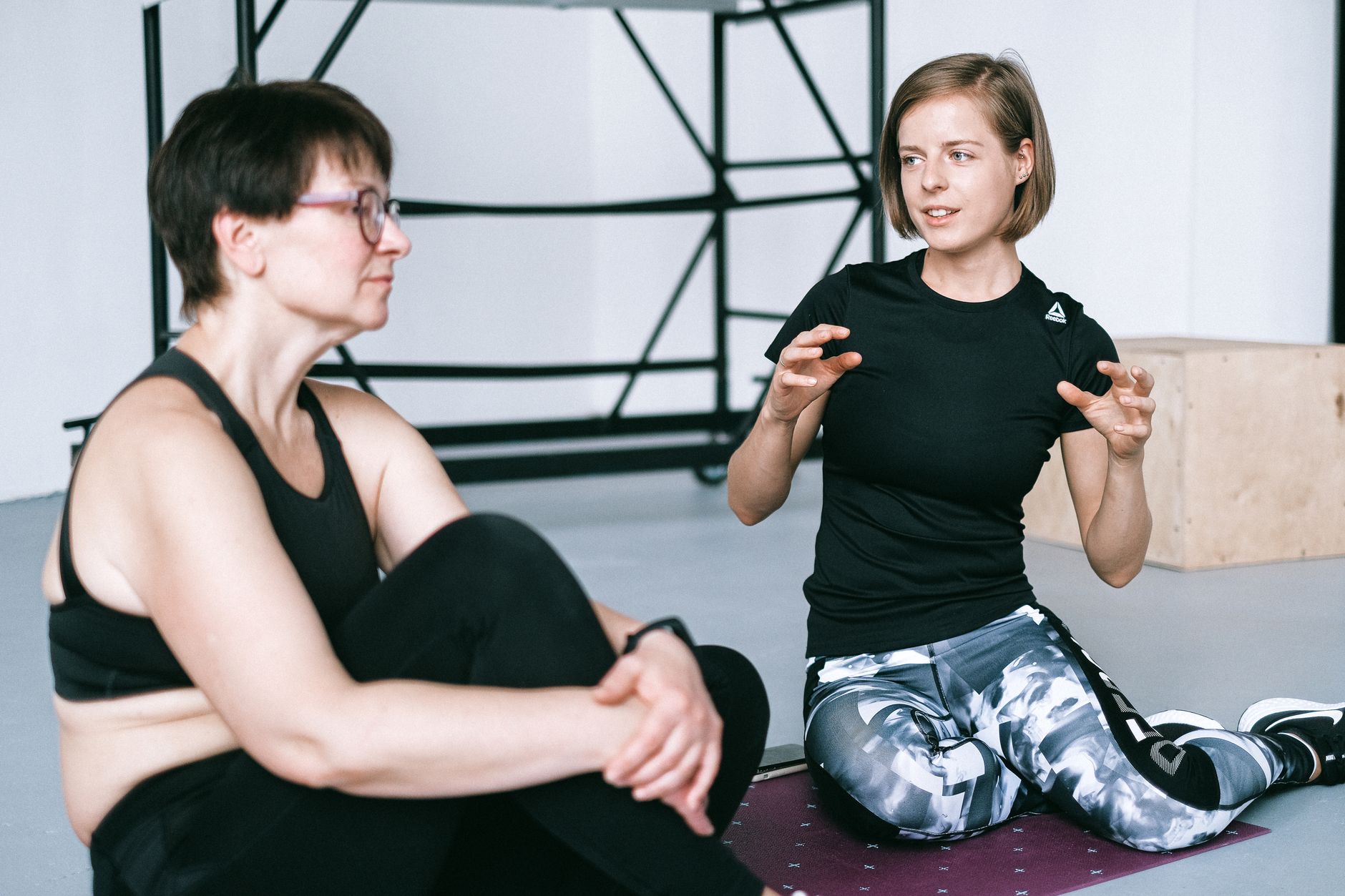
Why Are You Not Losing Weight Even Though You Work Out?
Many people know the feeling. You train two or three times a week and feel fitter, yet after two months the scale has barely changed. For business owners and managers, that can be especially frustrating. At work, effort usually leads to results.
You are far from alone. According to CBS (2024), more than half (51%) of Dutch adults aged 20 and over were overweight in 2023. In the early 1980s, that figure was one in three. This is rarely just about one person’s willpower. It is about a lifestyle where long hours sitting down, business lunches and unpredictable days are the norm.
The question is not whether you should exercise, but what you are getting from the time you spend training. An hour of exercise typically burns a few hundred calories, depending on your body weight and intensity. A drink and a few snacks can easily wipe that out. If you expect exercise alone to do all the work, disappointment can set in within weeks, and it becomes easy to quit.
What Really Slows Fat Loss for Busy Professionals?
For people with demanding schedules, the same four obstacles come up time and again:
- Breaks in routine. One week of travel or a major deadline can quickly turn into three weeks without training. Starting again takes more effort than staying on track.
- Not enough training stimulus. The Guideline Database of the Dutch Federation of Medical Specialists recommends at least 150 to 200 minutes of moderate to vigorous physical activity each week for weight loss. This should include strength training twice a week and less time spent sitting. Many people only do low intensity cardio and skip strength work entirely.
- Underestimating food intake. Restaurant meals, office lunches and snacks eaten in the car rarely get counted. That is often where a calorie deficit quietly disappears.
- Muscle loss. If you diet aggressively without strength training, you lose muscle as well as fat. The scale may show progress, but your body uses less energy at rest and you may not look any leaner.
That last point is the one people miss most often. Losing weight and losing fat are not the same thing. If you only track body weight, you may think things are going well while your body composition is getting worse.
Why Do Crash Diets, Apps and Generic Workout Plans Often Fall Short?
Every popular approach solves one problem while ignoring the rest.
A crash diet can produce rapid weight loss in the first few weeks, much of it from water. The Guideline Database advises against crash diets because many people regain the weight. It recommends reducing your usual intake by 500 to 750 calories a day, while staying above 1200 to 1500 kcal per day to help avoid nutrient deficiencies.
A calorie tracking app gives you data, but it does not tell you what to change. If the scale has not moved for three weeks, no one is there to identify the issue. With a standard plan at a large gym, nobody notices when you stop showing up. Nobody checks your form or makes sure your training keeps progressing. All three approaches also rely heavily on motivation, which is usually the first thing to disappear during busy periods.
This is where the misunderstanding around faster weight loss begins. A personal trainer will not make you burn more fat in a session than a solid plan you follow on your own. The advantage is in the weeks you do not lose. For example, without coaching you might stick to your plan for eight out of twelve weeks in a quarter. With coaching, you might manage eleven. Your weekly deficit is the same, but the difference in results is obvious. In one quarter, you stall. In the other, you make progress without having to work harder.
When Does Losing Weight With a Personal Trainer Actually Happen Faster?
It depends on your biggest obstacle. This comparison can help you decide whether coaching will speed up your progress:
| Your situation | Faster with a trainer? | Why |
|---|---|---|
| You train inconsistently because your schedule changes constantly | Yes | A fixed appointment turns training into a commitment in your calendar rather than a good intention |
| You do not know how to build a strength training routine | Yes | Progressively challenging training with good technique helps protect muscle while you eat less |
| Your weight has stalled even though you think you are eating well | Yes, if nutrition is included too | A trainer can spot where your calorie deficit is disappearing, such as business meals or weekend snacking |
| You do not want to change your eating habits | Hardly | Exercise rarely offsets a consistent calorie surplus |
| You already train consistently and eat mindfully | Limited | The main benefit is then fine tuning and maintaining your results |
The first three situations have one thing in common: you know enough, but you struggle to put it into practice. That is where a trainer can make the biggest difference. If you would rather not train alone, the same principle can work in a small group. Read more in our article about small group boxing for weight loss.
How Do You Set Up a Plan That Keeps Your Progress Moving?
Treat it like a project, with a starting point, regular check ins and a plan for what comes next. These steps make the difference:
- Start with a baseline assessment. Measure your weight, body measurements and, ideally, body fat percentage. Without a starting point, you will not know after eight weeks whether you have lost fat or muscle. Our article on what a baseline assessment should include in a trial session explains what to look for.
- Schedule two fixed workouts as seriously as business meetings. This aligns with the physical activity guidelines from Kenniscentrum Sport en Bewegen: at least 150 minutes of movement each week and muscle and bone strengthening exercise twice a week. Add walking or cycling around that. Find out why personal training twice a week is often enough for visible progress in our separate article.
- Agree on practical nutrition guidelines. A deficit of 500 to 750 kcal per day is a sustainable starting point. According to VoedingNU, the Dutch Health Council recommends 0,83 grams of protein per kilogram of body weight for healthy adults. For older adults doing strength training, expert groups recommend 1,0 to 1,2 grams. Discuss what is right for you with your trainer or dietitian.
- Measure every four to six weeks and adjust. If your measurements are going down while your weight stays the same, your plan is usually working. If nothing is changing, adjust your nutrition before adding more training.
- Plan in advance how you will maintain your results. The Guideline Database recommends 200 to 300 minutes of moderate intensity activity each week for maintenance. That is more than is typically needed while losing weight.
Whether you train in Eindhoven or elsewhere, factor in travel time too. A private gym close to your home or office makes it less likely that you will cancel a session.
Frequently Asked Questions
How Much Weight Can You Lose Per Week With a Personal Trainer?
Your rate of progress depends on your calorie deficit, not your trainer. With 500 to 750 kcal less per day, you can generally expect to lose around half to three quarters of a kilo per week. It is often quicker in the first few weeks because you also lose water weight.
How Soon Will You See Results From Personal Training?
Measurable progress often shows up in your body measurements before it appears on the scale. Within four to eight weeks, you may notice your clothes fitting differently. Changes usually become visible in photos after eight to twelve weeks.
Is Personal Training Once a Week Enough for Weight Loss?
One session a week can work if you also complete a second strength workout independently and stay active enough overall. Guidelines recommend strength training twice a week. Your coached session then focuses mainly on technique, progression and adjustments.
Do You Need a Dietitian as Well as a Personal Trainer?
Seeing a dietitian is a sensible choice if you have diabetes, PCOS, use medication or have a history of an eating disorder. In other situations, nutrition coaching from your trainer is often enough, provided they track your progress and make adjustments.
Can You Lose Weight With a Personal Trainer After 40?
After 40, strength training becomes even more important because muscle mass naturally declines with age. Without guidance, you are more likely to lose muscle while eating less. A trainer can manage your training progression and protein intake.
Where Should You Start If You Want Faster Results?
First, identify your main obstacle: not knowing what to do, or struggling to stay consistent. If consistency is the problem, losing weight with a personal trainer can save you the most time because fewer weeks go to waste.
District-S supports weight loss programmes in private gyms at Strijp-S and in Eindhoven city centre, with one-to-one personal training, a tailored nutrition plan and mindset coaching. Want to know whether coaching can help you make faster progress around your schedule? You can book a free trial session at District-S and have your personal baseline assessed.
Frequently Asked Questions
How Quickly Can You Expect Results From Personal Training?
You will often notice the first changes in energy, structure and strength within a few weeks. Visible fat loss usually takes longer. Expect around 0,25 to 0,75 kilos per week, depending on your starting weight, nutrition, sleep and training frequency.
Do You Need to Train With a Personal Trainer Several Times a Week?
Not necessarily. One coached session a week can be effective if you also stay active independently and follow your nutrition commitments. Two sessions a week can be useful if you have little training experience, want to learn technique faster or need extra accountability.
Is a Nutrition Plan Necessary for Weight Loss?
A strict nutrition plan is not necessary for everyone, but clear guidelines are. You need to know roughly how much you eat, where your protein comes from and which habits are working against your calorie deficit. A good plan needs to fit your work, social life and preferences, otherwise it will not last.
Can You Lose Weight Without Cardio?
Yes. Weight loss is primarily driven by a calorie deficit. Strength training helps you maintain muscle mass, while walking, cycling and other cardio increase your daily energy expenditure. Cardio is a useful tool, not a requirement.
How Much Does Personal Training for Weight Loss Cost?
Costs vary by trainer, location and package. Do not focus only on the hourly rate. Check what is included, such as workout plans, nutrition coaching, progress assessments, support between sessions and behaviour coaching. Those elements often determine whether you maintain your results.
Conclusion
Losing weight with a personal trainer is most valuable when you need more than information. You need a plan you will actually follow. Combining strength training, nutrition, progress tracking and accountability makes it easier to lose fat without unnecessarily losing muscle, energy or motivation.
The best approach is not the strictest plan. It is the one you can sustain for months. Choose coaching that suits your experience level, schedule and goal, and track more than the number on the scale. Your strength, measurements, fitness and everyday energy matter too.
Would you like to learn how we can assist you with personal training?
Sources
- CBS — Cbs
- Richtlijnendatabase van de Federatie Medisch Specialisten — Richtlijnendatabase
- Beweegrichtlijnen van het Kenniscentrum Sport en Bewegen — Kenniscentrumsportenbewegen
- VoedingNU — Voedingnu
- Obesitas afgelopen 40 jaar verdrievoudigd — CBS (Centraal Bureau voor de Statistiek)
- Beweging, richtlijn overgewicht en obesitas bij volwassenen en kinderen — Richtlijnendatabase (Federatie Medisch Specialisten)
- Dieetinterventies, richtlijn PCOS leefstijl — Richtlijnendatabase (Federatie Medisch Specialisten)
- Beweegrichtlijnen: zoveel moet je bewegen — Kenniscentrum Sport en Bewegen