
A luxury gym in Eindhoven differs from a regular chain in three key ways: how much individual attention you get from your trainer, what is measured and adjusted over time, and how calm and healthy your training environment is. Search for luxury gym Eindhoven features and you will often find lists of saunas and designer equipment. Those things say very little about results. Instead, look for one-to-one coaching from a qualified personal trainer, an initial assessment with regular progress reviews, and the freedom to train at your preferred times without waiting for equipment.
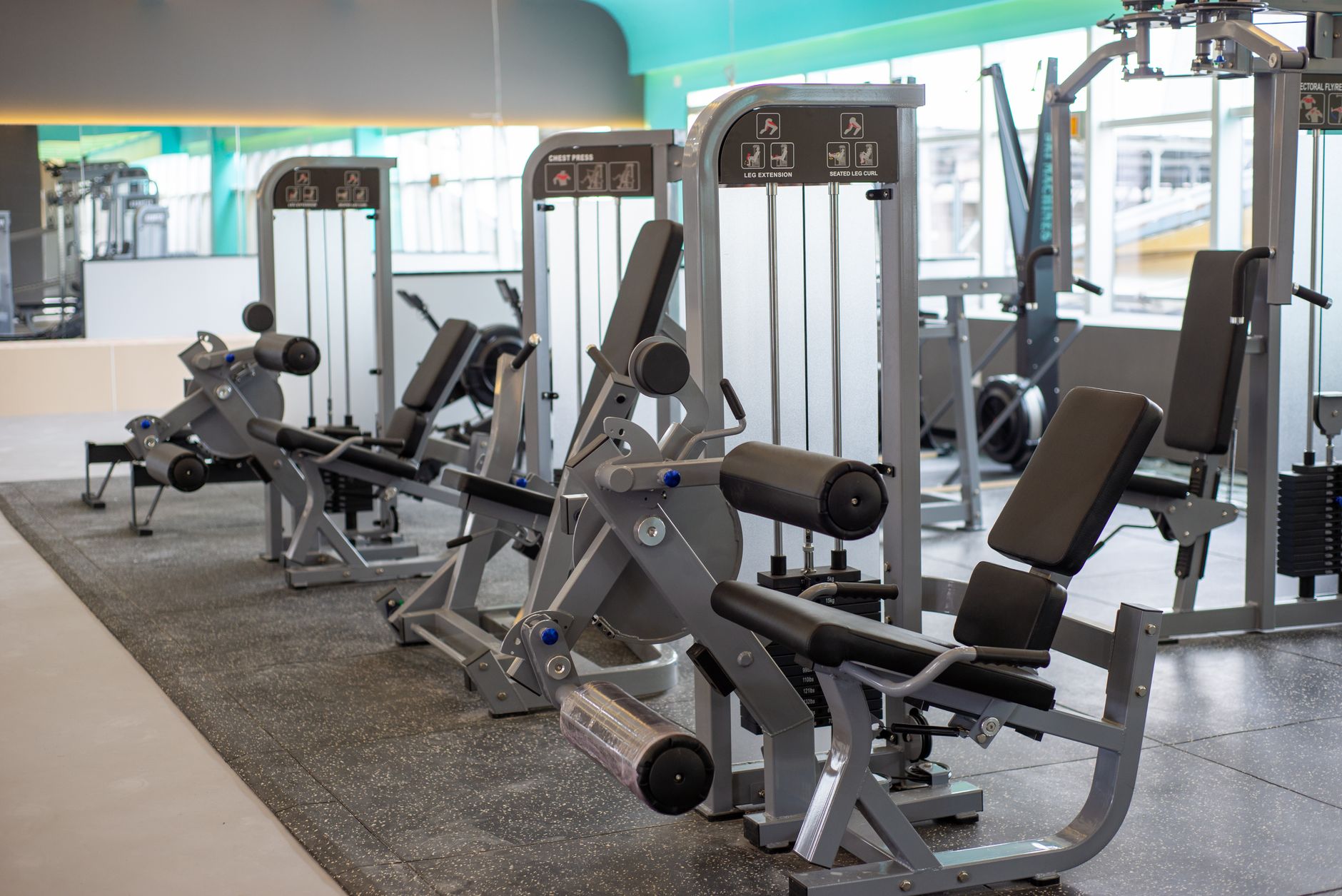
Are you paying for marble or for results?
Fitness is the most popular sport in the Netherlands. According to Statistics Netherlands (2026), 30,2% of Dutch people aged 6 and over took part in fitness at least once in 2024. Between 2014 and 2022, that figure was around 26%. As demand has grown, so has the number of gyms, and more chains now label a location as premium simply because it has smarter changing rooms.
That is where the issue lies for busy professionals. You may pay more, while the training itself remains unchanged: the programme you received at your intake, a packed gym floor at 18.00, and no one checking whether you are actually making progress. In that case, the luxury is in the entrance hall, not in the hour you spend training.
For an entrepreneur, the more important question is what each training hour delivers. Say you train twice a week. That adds up to around a hundred hours a year, and even more once travel time is included. If a significant share of that time is spent waiting, second-guessing exercises, or training without a clear plan, a lower monthly fee can prove more expensive than it first appears.
Which luxury gym features do you only notice after a month?
The first tour almost always makes a good impression. The real differences become clear after you have trained at regular times for a few weeks. These are the four frustrations demanding gym-goers mention most often:
- Crowds at the times you want to train. Professionals tend to train before work, during lunch, or late in the afternoon. Those are exactly the times an open gym floor is busiest. A 45-minute session can easily stretch to well over an hour.
- Coaching that stops after the intake. You receive an explanation once, then an app. If you are unsure about your technique, there is no one to ask, or you end up asking a different person every time.
- No measurement means no adjustments. Without an initial assessment and regular reviews, after three months you still do not know whether you have become stronger or lost body fat. You also do not know what needs to change.
- Injuries caused by increasing intensity without supervision. According to the Sports Injury Statistics Handbook from VeiligheidNL (2024 figures), fitness participants suffered an estimated 1 million injuries in 2024, or 1,6 per 1.000 fitness hours.
The final point matters most to business owners. A shoulder or back injury can stop your training and often affects working days, sleep, and concentration too. If you are already managing an old injury, also read how a private gym differs from a regular gym during recovery.
Why does a more expensive chain not solve this?
It is not necessarily down to poor trainers or outdated equipment. It comes down to the business model. A chain makes money by having a high number of members per square metre, many of whom do not visit every week. When a location is upgraded, investment goes into features that look good in photos: equipment, lighting, and a wellness area. The trainer-to-member ratio stays the same.
You see three consequences time and again:
At a chain, personal training is usually an optional extra. The trainer works on the same busy gym floor and sees a different client every hour. You may even have a different trainer each week, meaning no one has a complete view of your progress.
Group classes are designed for the average member. They can be great for fitness and motivation, but if you are recovering from an injury or focused on losing body fat, a class of twenty people all following the same pace is not what you need. Small-group training can work well, provided the group stays genuinely small and the trainer can correct each person. Find out what that looks like in practice in our article on whether small-group boxing training really works for weight loss.
The intake happens once. A good programme for week one will no longer suit you in week eight, because your body has already adapted. Without scheduled reviews, the programme stays the same and your progress stalls.
The takeaway when comparing options is simple: the monthly price matters less than the cost per coached hour. An expensive chain with a sauna is still a chain. A small private gym without a wellness area can be more luxurious in the ways that matter, because every hour is planned and coached.
What does a private gym that delivers results look like?
Take those four frustrations one at a time. A well-run private gym solves each one with a clear commitment, not a vague promise.
Calm and time
You train at a booked time in a space that is not overcrowded. There is no queue for the rack and no wasted time changing in a packed changing room. A 45 to 60-minute session genuinely takes 45 to 60 minutes. For anyone training between meetings, perhaps around Strijp-S or Eindhoven city centre, that can be the difference between staying consistent and giving up. The quiet setting also makes a private gym more suitable for a conversation with a business partner or colleague before or after training. That is difficult on a busy gym floor with loud music.
Coaching and measurement
One-to-one coaching means the same trainer follows your technique, workload, and progress. Your programme is adjusted weekly or by training block, based on what has been measured. That may include an initial assessment of strength, fitness, and body composition, followed by a review every six to eight weeks. Nutrition and recovery should be part of that conversation, not handed to you in a separate leaflet.
You can check a trainer’s qualifications. In the Netherlands, fitness trainer courses are offered through the recognised NL Actief system, the industry organisation for sport and exercise. Qualifications such as Fitnesstrainer A and B are linked to EREPS levels, the European register for fitness professionals (Sport&People). Anyone offering rehabilitation training should also be able to demonstrate a relevant specialism.
A healthy training environment
Indoor air quality is something almost no one checks. In its medical environmental health guideline, the RIVM uses 1200 ppm CO2 as the upper limit for adequate ventilation and 800 ppm as the target value. In a small room where people train hard, CO2 rises quickly when ventilation is inadequate. You notice it through fatigue and headaches, not through the decor.
There are also standards for lighting and operations. NEN-EN 12464-1 applies to indoor lighting. For a fitness or combat sports space, around 300 lux is generally used as a starting point (Lumeco). The European standard NEN-EN 17229:2019 covers the safe and hygienic operation of fitness centres. Through the FITcert programme from NEN and EuropeActive, a centre can demonstrate that it meets these requirements (NEN). Certification is not mandatory, but it is a strong sign that a provider takes safety seriously.
How can you assess a luxury gym in Eindhoven before signing up?
A tour shows you the polished side. A trial session and a few direct questions reveal the rest. For most professionals, this order works well:
- Book your trial at the time you would genuinely train. Visit at the time you expect to train in future, such as 7.30 or 17.30. That is when you will see how busy it really gets.
- Ask for an initial assessment. A worthwhile trial session gives you a starting point: strength, mobility, fitness, and body composition. If you only get a tour of the equipment, you know what to expect.
- Ask who your regular trainer will be and what qualifications they hold. Also ask about NL Actief or EREPS registration and experience with your goal, such as fat loss, building strength after 40, or injury recovery.
- Ask how often progress is reviewed. A specific answer, such as “we reassess every six weeks”, is better than “we check in regularly”.
- Pay attention to the air, lighting, and noise. Does the room feel stuffy after an intense session? Ask whether there is a CO2 meter. Can you hear your trainer without shouting?
- Read the contract for flexibility. Check whether you can choose 1x or 2x a week and how rescheduling works when you are travelling for business. A cancellation period that fits your schedule prevents you paying for sessions you miss.
Location deserves its own check. A gym on the route between home and work becomes a regular commitment. A gym that adds twenty minutes to your journey is easy to skip during the first busy week. If you want to look at the decision more broadly, including lifestyle and family routine, read how to choose a luxury gym that fits your lifestyle.
After your trial, write down three things: how many minutes you actually trained, what you learned about your starting point, and what the plan is for the next six weeks. If you cannot answer all three, you have just seen a chain with a nicer frontage.
Frequently asked questions
Is a luxury gym worth the money for an entrepreneur?
Return per hour is the right measure, not the monthly fee. If every session is coached, planned, and free from waiting time, you can achieve more with fewer training hours each week. That matters when your diary leaves little room for exercise.
What is the difference between a private gym and personal training at a chain?
The setting is the difference. At a chain, the trainer works on an open floor with other members, music, and occupied equipment. At a private gym, the space is arranged around your session, allowing the trainer to plan your exercises and rest periods precisely.
How can you recognise a good personal trainer during a trial session?
They ask questions first. A good trainer asks about your work routine, sleep, previous injuries, and goals before you lift your first weight. They will also correct your technique straight away, even during light exercises.
How often should you train at a private gym to see visible results?
Two coached sessions a week are a realistic foundation for most people who want to improve strength and body composition. One session can work too, provided you stay active outside the gym and keep your nutrition on track. How often you train matters less than how consistently you stick with it.
Can you use a private gym for business, with colleagues or clients?
Duo or small-group sessions can work well for entrepreneurs who want to train together or schedule a regular session with a business partner. The calm of a private space makes it easier to talk before or after the session than in a crowded gym. Just make sure everyone has their own programme and their own progress assessments.
Book your trial at the time you will actually train
If you want to properly assess what a luxury gym in Eindhoven offers, book a trial session on a normal working day, including an initial assessment and a clear six-week plan. If the provider cannot deliver that, you have learned what you need to know before signing anything.
District-S offers premium personal training in private gyms at Strijp-S and in Eindhoven city centre, with one-to-one coaching, tailored training programmes, nutrition guidance, and mental coaching. During a free trial session, you can immediately see how the coaching and space fit into your week. Before you book, read what a trial session with an initial assessment should deliver and schedule your first session at the time you would genuinely train.
Sources
- het CBS — Cbs
- Tabellenboek Sportblessures van VeiligheidNL — Veiligheid
- Sport&People — Sport-people
- het RIVM — Rivm
- Lumeco
- NEN — Nen
- Mensen met lager inkomen doen minder vaak aan een sport, verschil met hogere inkomens groeit — CBS (Centraal Bureau voor de Statistiek)
- Tabellenboek Sportblessures in Nederland Cijfers 2024 — VeiligheidNL i.s.m. RIVM en CBS